Common problems

Learn more about some of the conditions we treat at our Gatineau podiatry clinic.

Ankle sprain: quick diagnosis and complete treatment in Gatineau

You walk on an uneven sidewalk. Your ankle twists sharply inwards. The shooting pain stops you immediately. You try to limp on your way. Swelling appears quickly.

You ask yourself, “Is this a big deal? Should I consult? Can I continue walking? »

Ankle sprains are one of the most common musculoskeletal injuries. Yet, many people minimize this injury and neglect proper treatment. This neglect often turns an acute sprain into chronic instability that persists for years.

At Médecine podiatrique du Plateau, Dr. Sandra Gendron, Dr. Stephen Davis and Dr. Émile Carrier, podiatrists evaluate and treat ankle sprains with advanced diagnostic technologies. Our clinic is located at the AGORA complex in Gatineau (Plateau sector). X-ray and musculoskeletal ultrasound on site. We offer you personalized care and treatment plan. The goal? A complete rehabilitation.

This guide helps you understand ankle sprain, recognize its severity, and discover treatment options that speed up your recovery.

ankle sprain gatineau

What is an ankle sprain?

A sprain occurs when the ligaments stabilizing your ankle are overstretched or torn. Ligaments are bands of strong connective tissue that hold bones together. Unlike muscles that actively contract, ligaments provide passive but essential support.

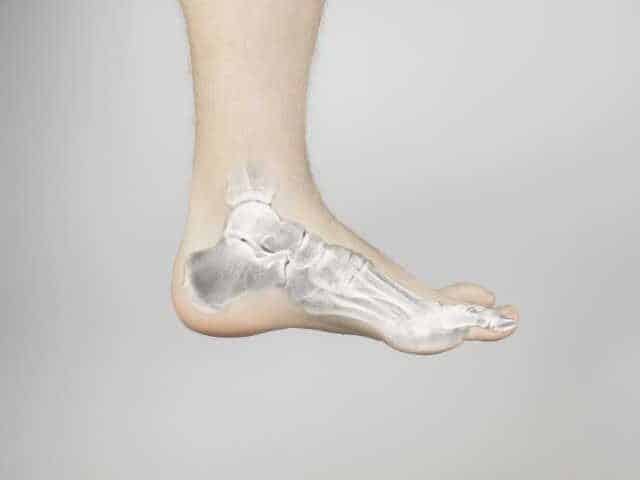
Lateral (external) ankle sprain accounts for 85% of cases. Your foot turns inward abruptly (inversion), stretching or tearing the ligaments on the outside of the ankle. The anterior talofibular ligament suffers the most frequent damage, followed by the calcaneofibular ligament.

Sprains are classified according to their severity.

Grade 1 (mild): ligament stretch without significant tearing, moderate pain, minimal swelling, ability to walk retained.

Grade 2 (moderate): partial tear of ligaments, marked pain, significant swelling, difficulty walking, mild instability.

Grade 3 (severe): complete tear of one or more ligaments, severe pain, massive swelling, inability to support weight, significant instability.

Sprains and strains: synonyms for the same injury

These terms refer to the same injury and are often used interchangeably. Sprains (or strains) affect the ligaments that connect the bones together. When your ankle twists, the ligaments overstretch or tear.

This terminological confusion sometimes stems from popular usage where some people use “strain” to describe a mild sprain and “sprain” for a more severe injury. In reality, it is the same type of ligament injury, only the severity of which varies.

Characteristic symptoms include pain, swelling, and functional difficulty. Clinical examination and imaging confirm the exact nature of your injury and determine its severity.

Can I walk with an ankle sprain?

This question comes up constantly. The answer depends on the severity of your sprain.

A mild sprain (grade 1) usually allows you to walk with moderate discomfort. You’re probably limping but you can support your weight. This functional capacity suggests that the ligaments, although stretched, maintain sufficient stability.

A moderate sprain (grade 2) makes walking difficult and painful. You could technically walk but at the cost of considerable effort and pronounced lameness. This early mobilization may aggravate partial ligament tears.

A severe sprain (grade 3) makes walking without support usually impossible. The intense pain and marked instability prevent normal loading. Forcing the walk in this situation prolongs healing and risks further damage to already compromised structures.

Dr. Émile Carrier, podiatrist and co-owner of our clinic, explains: “The ability to walk immediately after the injury does not guarantee the absence of a significant ligament fracture or tear. On the other hand, if you are unable to put weight on the affected ankle immediately after the accident, this is a great reason to see for x-rays to check for a fracture. If a fracture is identified, the treatment will be very different from that of a sprain. »

How long it takes to heal from an ankle sprain

The timeline of healing varies greatly depending on the severity of the sprain.

A mild sprain (grade 1) usually resolves in 1 to 3 weeks. The pain decreases quickly. The swelling gradually subsides. You are gradually returning to your normal activities.

A moderate sprain (grade 2) requires 3 to 6 weeks of recovery. The first few weeks often require protection with a splint or walking boot. Rehabilitation with amplitude and strengthening exercises becomes crucial to restore optimal function.

A severe sprain (grade 3) takes 8 to 12 weeks or more to heal completely. Strict initial immobilization protects torn ligaments while they heal. Gradual and supervised rehabilitation extends over several months to recover strength, proprioception and stability.

These delays represent the healing of the ligament tissues. Full functional recovery — including the return to demanding sports and activities — may require additional time.

Advanced Diagnosis at Our Clinic

Our on-site diagnostic capability speeds up your care and eliminates frustrating wait times.

Immediate digital radiography excludes associated fractures. Approximately 22% of ankle sprains are associated with fractures (references 1 and 2)—malleoli, base of the fifth metatarsal, posterior talus process. These fractures require separate management. You get this confirmation at your initial consultation.

Ultrasound ankle sprain Gatineau

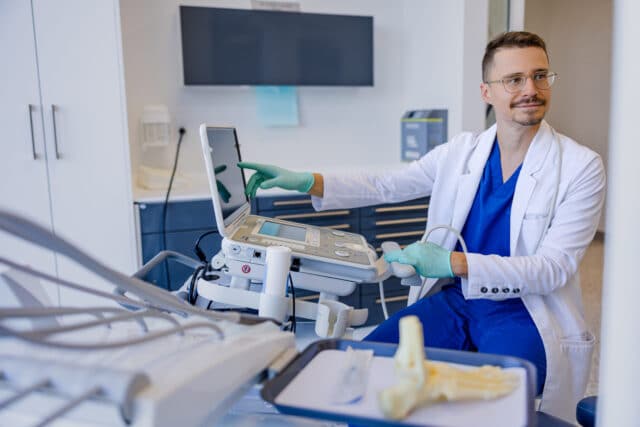
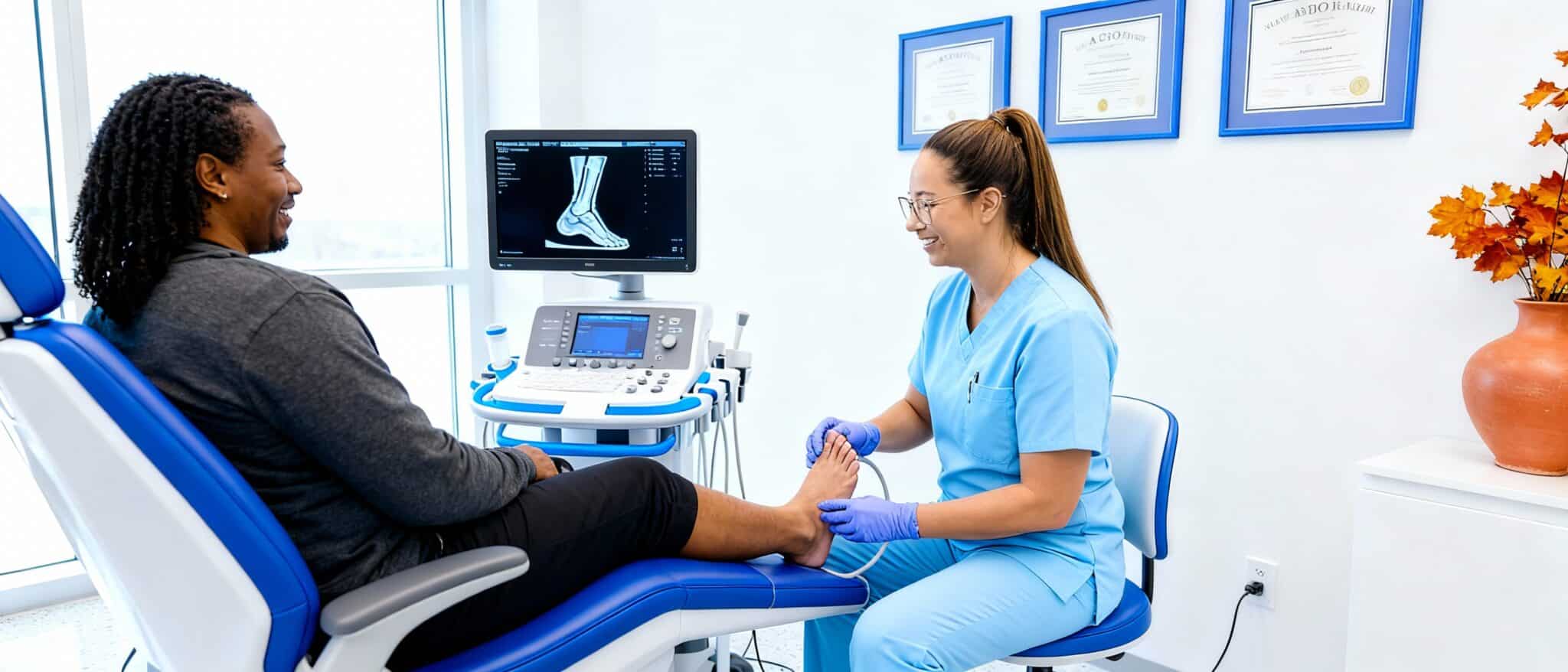
Musculoskeletal ultrasound directly visualizes the injured ligaments. This technology evaluates the structural integrity of each ligament. It detects partial or complete tears. It identifies hematomas and periligament edema. This precise information guides our treatment recommendations.

The thorough clinical examination evaluates functional stability. Ligament stress tests. Joint range of motion assessment. Palpation of anatomical structures. This evaluation complements the imaging to establish the precise grade of your sprain.

How to heal an ankle sprain quickly?

Optimal healing is based on appropriate care from the first days.

The PEACE and LOVE protocol developed by physiotherapist Blaise Dubois and physiotherapist and researcher Jean-François Esculier has become our reference in the management of ankle sprains. The protocol is all about:

Acute phase: PEACE (the first few days)

P – Protection : Protect the injured area by limiting movements that increase pain during the first few days. Avoid activities that put excessive strain on injured ligaments, but without prolonged complete immobilization.

E – Elevation : Elevate your ankle above the level of the heart as often as possible. This position promotes the drainage of fluids and reduces swelling.

A – Avoid anti-inflammatories : Anti-inflammatory drugs and ice can interfere with the natural healing process in the long term. Inflammation is part of the tissue repair process. Prioritize pain management without blocking inflammation if it remains tolerable.

C – Compression : Use an elastic bandage to limit swelling and edema. Compression should be comfortable, never to the point of compromising circulation.

E – Education : Understand your wound and the healing process. Avoid excessive passive treatments and unnecessary imaging tests for mild sprains. Your body has a remarkable capacity for self-healing.

Recovery phase: LOVE (after the first few days)

L – Load : Gradually resume loading and movement as soon as the pain allows. The activity promotes tissue repair. Let the pain guide your progress — mild discomfort is okay, but the pain shouldn’t get worse.

O – Optimism : Maintain a positive attitude. Expectations and beliefs significantly influence recovery. Fear and catastrophization delay the return to normal activities.

V – Vascularization : Practice painless cardiovascular activities as soon as possible. Movement increases blood flow to injured tissue, speeding up healing. Walking, stationary cycling, swimming — choose activities that don’t cause significant pain.

E – Exercises : Quickly start mobility, strengthening and proprioception exercises. These exercises restore mobility, strength, and confidence in your ankle. Active rehabilitation far outperforms passive approaches.

Strict immobilization according to severity remains necessary for severe sprains during the initial phase. Mild sprains: support bandage or soft ankle braces. Moderate sprains: rigid splint or walking boot removable for a few weeks. Severe sprains: Stricter immobilization initially, followed by supervised progressive mobilization.

Dr. Sandra Gendron, podiatrist, emphasizes: “The PEACE and LOVE approach encourages the patient’s active participation in his or her healing. Proprioceptive exercises, in particular, are crucial for preventing recurrences. We guide this rehabilitation step by step, respecting your healing pace. »

Preventing Chronic Instability with Foot Orthotics

Approximately 40% of people with an ankle sprain develop chronic instability (Reference 3). This complication manifests itself in frequent recurrences, a persistent feeling of instability and limitation of activities.

Custom-made foot orthotics play a crucial role in preventing this chronic instability. These devices correct the underlying biomechanical imbalances that contributed to your initial sprain. A pronator foot (which sags inwards) places the ankle in a position vulnerable to lateral sprains. Orthotics stabilize your hindfoot, reducing this vulnerability.

We design your orthotics specifically for your unique biomechanics. Plantar arch support. Rearfoot stabilization. Correction of pressure imbalances. This personalized approach optimizes your protection in the long term.

Regular wear of orthotics, combined with strengthening and proprioception exercises, significantly reduces your risk of recurrence. This comprehensive strategy transforms an unstable ankle into a stable and functional joint.

ankle sprain orthotics inserts

When to consult for an ankle sprain?

Consult a doctor quickly if you cannot support your weight, if the swelling is significant, if the pain is severe or if you feel marked instability. Early professional evaluation differentiates between mild sprains and injuries requiring strict immobilization.

Access to on-site X-rays and ultrasound speeds up your diagnosis. You get answers and a treatment plan on your first visit. This effectiveness optimizes your healing and prevents long-term complications.

For a quick evaluation of your ankle sprain, make an appointment now by clicking hereor by calling 📞 819 800-1212

Podiatric consultations are NOT covered by the RAMQ. Private insurance usually covers our services. Documentation systematically provided for your complaints.



References

(1) Khor YP, Tan KJ. The Anatomic Pattern of Injuries in Acute Inversion Ankle Sprains: A Magnetic Resonance Imaging Study. Orthop J Sports Med. 2013 Dec 20;1(7):2325967113517078. doi: 10.1177/2325967113517078. PMID: 26535261; PMCID: PMC4555519.

(2) Rhon DI, Greenlee TA, Cook CE, Westrick RB, Umlauf JA, Fraser JJ. Fractures and Chronic Recurrence are Commonly Associated with Ankle Sprains: a 5-year Population-level Cohort of Patients Seen in the U.S. Military Health System. Int J Sports Phys Ther. 2021 Oct 1; 16(5):1313-1322. DOI: 10.26603/001C.27912. PMID: 34631252; PMCID: PMC8486414.

(3) Doherty C, Bleakley C, Hertel J, Caulfield B, Ryan J, Delahunt E. Recovery From a First-Time Lateral Ankle Sprain and the Predictors of Chronic Ankle Instability: A Prospective Cohort Analysis. Am J Sports Med. 2016 Apr; 44(4):995-1003. doi: 10.1177/0363546516628870. Epub 2016 Feb 24. PMID: 26912285.

You feel a deep pain in the center of your heel when you walk. This sensation differs from the morning pain typical of plantar fasciitis. It intensifies on hard surfaces. Every step on concrete or tiles makes you wince.

You try to walk on tiptoe to spare your heel. This compensation now creates tension in your calves. The pain persists despite the rest and stretching that usually relieves your foot problems.

You may suffer from heel fat pad syndrome, a condition often confused with other causes of heel pain. However, you must know that this is an uncommon problem even though some healthcare professionals describe a variety of heel diseases with this term.

What is fat pad syndrome?

The heel fat pad, also known as the plantar fat pad, is a specialized structure located under the heel bone, the calcaneus. This layer of adipose tissue organized into fibrous compartments acts as a natural shock absorber. It absorbs impact forces that can reach two to three times your body weight when walking.

Fat pad syndrome occurs when this protective structure deteriorates or shifts. Adipose tissue thins, loses elasticity or migrates laterally. This degradation exposes the heel bone to repeated shocks without adequate protection. The result: a deep and diffuse pain in the heel.

This pathology particularly affects people over 40 years of age, as the pad thins with age. Athletes in high-impact sports (running, basketball, tennis) are also at increased risk. Prolonged use of high-heeled shoes or shoes that minimize cushioning can accelerate pad degradation.

Distinctive symptoms

The pain is located in the center of the heel, directly under the heel bone. Unlike plantar fasciitis, which causes sharp pain on the inner edge of the heel, fat pad syndrome creates a sensation of deep bruising or bone bruising.

Discomfort worsens on hard surfaces. Walking barefoot on the floor becomes particularly painful. Prolonged standing intensifies the pain. The direct impact of the heel on the ground — going down a flight of stairs, jumping — triggers sharp pain.

The pain usually decreases with rest and gradually worsens over the course of the day as you accumulate the impacts. This is in contrast to plantar fasciitis, which is typically more painful in the first morning steps.

On palpation, your heel has a marked sensitivity in the center. The fabric may feel thinner or less resilient than a healthy heel.

Heel pain, plantar fasciitis, heel spurs

Diagnosis at our clinic

At Médecine podiatrique du Plateau, Dr. Sandra Gendron, Dr. Stephen Davis and Dr. Émile Carrier, podiatrists, differentiate fat pad syndrome from other causes of heel pain that are much more common.

Clinical examination reveals a specific sensitivity in the center of the heel during direct palpation. We assess the thickness and resilience of the pad by compressing the fabric between our fingers.

X-rays exclude other pathologies such as stress fractures of the calcaneus or heel spurs. Although these bone spurs often accompany plantar fasciitis, their presence does not usually cause the pain of fat pad syndrome.

Musculoskeletal ultrasound visualizes the fat pad, but also the structures in the surrounding area like the plantar fascia attachment on the heel bone. This technology allows your podiatrist to measure its thickness, evaluate its homogeneity and detect associated inflammation or edema. Ultrasound also differentiates this syndrome from plantar fasciitis by examining the adjacent plantar fascia.

Foot Ultrasound in Gatineau Hull Aylmer

Treatment Options

Our therapeutic approach aims to protect the heel and optimize the function of the residual pad.

Silicone or gel heel pads redistribute pressure. These insoles cushion impacts and relieve the weakened heel. Different densities and thicknesses adapt to the severity of your problem.

Custom foot orthotics with heel reinforcement provide superior support. We design these devices to maximize damping while maintaining biomechanical stability.

Choosing the right footwear is crucial. Shoes with slightly raised heel (reducing direct impact). Thick, cushioned midsoles. Avoidance of flat or minimalist shoes.

Activity modifications protect your heel during healing, such as temporarily reducing high-impact activities, choosing soft surfaces for activities (grass, treadmill, synthetic track), and gradually progressing as you return to activities.

Cortisone injections can reduce the associated inflammation, but they require special caution. Repeated injection of cortisone into the fat pad may aggravate its atrophy. We reserve this option for refractory cases and limit the number of injections.

Platelet-rich plasma or hyaluronic acid injections are emerging options. These therapies aim to regenerate or increase the volume of the fat pad. While promising, these approaches require more research to confirm their effectiveness.

Dr. Émile Carrier, podiatrist and co-owner of our clinic, explains: “Fat pad syndrome generally responds well to conservative procedures focused on mechanical protection. Patience is essential, as recovery progresses gradually over several months. »

Prevention and long-term management

Once the problem has been solved, certain precautions prevent recurrences. Maintain the wearing of well-cushioned shoes. Continuous use of heel pads during demanding activities. Avoidance of walking barefoot on hard surfaces.

Maintaining a healthy weight reduces repeated loads on the fat pad. Each kilogram lost decreases the impact forces on your heels.

When to consult?

If you experience persistent pain in the center of the heel that worsens on hard surfaces, consult for an evaluation. Early diagnosis allows for quick intervention that accelerates your relief.

If you have any questions about heel pain or to make an appointment, contact us at 819 800-1212 or write to us through our contact form.

Podiatric consultations are NOT covered by RAMQ. Private insurance usually covers our services. We will provide you with a receipt that you can submit to your insurer.

Introduction

Flat feet are a relatively common condition that affects a large number of people around the world. It is characterized by the absence or collapse of the plantar arch, resulting in a plantar surface that is entirely or almost entirely in contact with the ground. While some individuals may live without major symptoms, others may experience pain, posture disturbances, or difficulty walking, depending on the severity of the problem. This introduction aims to shed light on the potential causes, manifestations, and treatment options to better understand this condition.

Definition of flat foot

Flat foot is a presentation in which the arch of the foot, i.e. the curve formed by the bones and tissues that support the weight of the body, is sagging or absent. In other words, this part of the arch of the foot touches the ground entirely or almost entirely when standing. This characteristic can be present from birth (congenital flat foot) or develop with age due to poor posture or injury to tendons and ligaments as is the case in adult acquired flat foot, also called posterior tibial tendon dysfunction.

Prevalence and health impact

According to a study by the American Academy of Orthopaedic Surgeons, about 20-30% of the world’s population has flat feet. This problem can affect one or both arches and may be more common in older adults and those with obesity issues. Although some people live without significant symptoms, flat feet can lead to pain in the feet, ankles, legs, and even the back, as well as postural instability that can cause injury.

Causes and Risk Factors

Genetic and congenital factors

Flat feet can be inherited genetically, especially in the case of congenital flat feet. In this case, the bone structure and tissues that support the arch may be defective from birth.

Injuries or illnesses

An injury to the foot, ankle, or Achilles tendon can also lead to a collapse of the arch of the foot. In addition, certain diseases such as inflammatory arthritis, neuropathy, or loss of sensation, which can be a complication of diabetes, or neurological problems can cause muscle weakness and consequently lead to flat feet.

Environmental and lifestyle factors

Poor posture, obesity, lack of exercise, and wearing inadequate footwear can also contribute to the development of flat feet. Spending a lot of time standing or performing activities that put excessive strain on the feet can also increase the risk of developing this problem.

Symptoms and diagnosis

Symptoms

Symptoms associated with flat feet can vary in intensity and include:

  • Pain in the arch, heel, forefoot, or ankle
  • Abnormal gait or lameness
  • Fatigue and stiffness in the feet after physical activity
  • Instability or weakness of the ankles
  • Swelling of the feet and ankles

Diagnostic methods and evaluation

To diagnose flat foot, our podiatrists will perform a physical examination and ask questions about the symptoms experienced. Then, they will do a biomechanical examination, an analysis of gait and standing posture as well as a study of plantar pressures. X-rays may also be used to assess the bone structure of the foot and determine if there is a collapsed arch. Your podiatrist can also do certain clinical tests, for example to assess the strength of certain muscles.

Complications and consequences

Impact on gait and balance

People with flat feet may have difficulty walking or maintaining balance due to the lack of support in their feet. This can lead to abnormal posture and cause pain in other parts of the body, such as the knees, hips, and back.

Risk of injury

The lack of stability and misalignment caused by flat feet can increase the risk of ankle, knee, and hip injuries. Athletes and people who regularly engage in physical activity may be particularly vulnerable.

Development of joint problems

Flat feet can also cause excessive wear and tear on the foot and ankle joints, which can lead to arthritis problems and other long-term joint complications. The big toe joint, which is particularly stressed as a pivot when walking, is at risk of partially blocking in the presence of a flat foot. This often leads to premature wear and tear of the joint, which is called osteoarthritis.

Impact on quality of life

The pain, discomfort, and physical limitations caused by flat feet can significantly affect a person’s quality of life. Daily activities such as walking, running, and even standing for long periods of time can become difficult and uncomfortable.

Treatment and management

There is no one-size-fits-all treatment for flat foot, as it will depend on the underlying cause and severity of the symptoms. In some cases, flat feet may not require treatment if the symptoms are mild and do not cause discomfort or interfere with daily activities.

However, in cases where flat foot is more severe and affects a person’s quality of life, there are several treatment options available. Non-surgical approaches such as custom-made foot orthotics, strengthening and stretching exercises, and wearing appropriate footwear can help improve foot stability and reduce symptoms.

In addition to the main treatments, ancillary care such as massage and stretching can also be beneficial in relieving the pain and discomfort caused by flat foot.

In rare cases, surgery may be recommended if symptoms do not improve with other treatments or if the underlying cause of flat foot requires correction. There are different types of surgical procedures available, each with its own advantages and disadvantages. It is important to discuss in detail with your healthcare team. It should be noted that surgery is generally only offered as a last resort if other treatments are not effective. It is not widely used in Quebec and Canada to treat pain associated with flat feet.

Prevention and advice

Adopting the best practices can make all the difference for people with flat feet. Targeted exercises to strengthen the arch and ankle muscles help support the foot and improve its alignment. During physical activities or when you are on your feet for a long time, be alert to signs of fatigue or discomfort and give yourself breaks to avoid aggravating symptoms. Finally, choosing the right footwear with good arch support and adequate cushioning is key to maximizing your comfort and preventing pain.

Conclusion

In summary, flat feet are a common problem that can be caused by a variety of factors such as genetics, injuries, or certain health conditions.


If you have any concerns about your feet, we advise you to make an appointment for an evaluation with one of our podiatrists. Call us at 819-800-1212 or fill out the contact form to request an appointment.

The foot is a complex and essential structure that supports our body during each step. However, certain types of feet such as cavusfoot, i.e. a foot with a very high arch, can lead to pain, discomfort or posture problems. The purpose of this guide is to explain the causes of cavus foot, its consequences on your health and the diagnostic and therapeutic solutions offered by Médecine podiatrique du Plateau.

What causes cavus foot?

The cavus foot is characterized by an overly accentuated plantar arch, unlike the flat foot where the arch is sagging. The causes of cavus foot vary and can include:

  • Neurological factors: Neurological disorders such as Charcot-Marie-Tooth disease or cerebral palsy can impair the functioning of the muscles of the foot.
  • Heredity: A genetic predisposition can influence the shape of the foot from a young age.
  • Injuries or trauma: Nerve or muscle damage due to injuries could also contribute to the appearance of cavus foot.

It is essential to determine the exact cause in order to offer an appropriate treatment.

The consequences of cavus foot

If cavus foot is not properly taken care of, it can lead to many problems, such as:

  • Plantar pain: Excessive pressure on certain areas of the foot, including the forefoot and heel, can cause severe pain points.
  • Instability: With an inadequate weight distribution, the risk of losing your balance or twisting your ankle increases.
  • Deformities: In the long term, cavus foot can lead to clawed toes or painful calluses.
  • Pain in other areas: Poor posture caused by cavus foot can cause knee, hip, or lumbar pain.

These consequences should not be taken lightly, as they can have a significant impact on quality of life.

How is cavus foot diagnosed?

At Médecine podiatrique du Plateau, we have advanced tools and technologies to accurately diagnose cavus foot. Here is an overview of the examinations we conduct:

Biomechanical examination

This examination evaluates the functioning of your feet in movement and in a static position. We analyze the distribution of your weight and the way your feet handle the pressures.

Gait Analysis

Using specialized cameras and a pressure mat, we record and analyze your way of walking. This allows us to detect problem areas and adapt the treatment accordingly.

Digital X-rays

We offer on-site X-rays, which provide an accurate view of the bone structure of the foot. This is particularly useful for identifying possible deformities or complications related to cavus foot.

These examinations make it possible to establish an accurate diagnosis and develop a personalized treatment plan.

Treatments offered at Médecine podiatrique du Plateau

Once cavus foot is diagnosed, we offer different options to relieve your pain and improve your quality of life.

Custom-made foot orthotics

Foot orthotics are insoles that are tailored to your specific needs. They help to redistribute pressure on the foot and improve posture and gait.

Podiatric physiotherapy

Targeted exercises may be recommended to strengthen the foot muscles, improve flexibility, and correct imbalances.

Advanced medical treatments

In some cases, cortisone injections or other drug treatments may be offered to reduce inflammation or acute pain.

Surgery as a last resort

If conservative treatments are not enough, surgery is considered to correct the deformed or damaged structures of the foot.

Take care of your feet today

Cavus foot can be effectively managed to minimize its impact on your daily life. At Médecine podiatrique du Plateau, we are committed to offering you personalized care based on accurate diagnoses and adapted treatments.

Don’t wait any longer to take care of your feet. Contact us today for a consultation and begin your journey to better podiatric health.

When it comes to foot or ankle fractures, prompt evaluation and proper treatment are essential to ensure complete healing and avoid long-term complications. In this article, we’ll discuss everything you need to know about foot and ankle fractures: how to identify them, why prompt treatment is crucial, and how Médecine podiatrique du Plateau in Gatineau can support you with innovative solutions like X-rays and on-site ultrasound.

What is a foot or ankle fracture?

A foot or ankle fracture is a partial or complete rupture of one or more bones in these structures. These fractures can occur as a result of direct trauma, such as a fall, or repetitive strain injuries, often caused by sports activities.

Types of fractures:

1. Foot fractures:

  • Metatarsal fractures: The bones between the toes and ankle.
  • Calcaneus fractures: The heel bone.
  • Phalangeal fractures: Fractures of the toes.
  • Stress fractures: A small crack in the bone often caused by repeated overload (often seen in runners).

2. Ankle fractures:

  • Fractures of the internal or external malleolus.
  • Bimalleolar or trimalleolar fractures, more complex.

The severity can vary depending on the type and location of the fracture, requiring specific management.

Symptoms that require immediate consultation

Recognizing the early signs of a fracture is crucial to getting timely treatment. Here are some symptoms that should alert you:

  • Severe pain, especially when moving or pressing on the affected area
  • Visible swelling or bruising
  • Noticeable deformity of the ankle or foot
  • A total or partial inability to walk or put weight on the foot
  • A feeling of friction or “cracking” at the time of injury.

If you notice one or more of these symptoms, don’t wait for hours in the emergency room. Make an appointment directly with our clinic at 819 800-1212 for a quick and accurate diagnosis.

Diagnosing a fracture at Médecine podiatrique du Plateau

Médecine podiatrique du Plateau stands out for its personalized approach and its diagnostic tools available on site. Unlike long waits in hospitals or medical clinics, we offer quick access to essential services to accurately diagnose fractures.

Our services include:

  1. On-site X-rays: Reliable and immediate imaging to locate the fracture.
  2. Ultrasound: To detect possible associated soft tissue lesions.
  3. Personalized podiatric evaluation: Our podiatrists establish a treatment plan adapted to your needs, taking into account your lifestyle and activities.

With these state-of-the-art tools, we take care of your condition quickly, without the frustrating delays often encountered in emergency departments.

Rapid Diagnosis: Why is it Essential?

A delayed or incorrect diagnosis can lead to complications: poor healing, permanent weakness, or even early osteoarthritis. With advanced technologies such as X-rays and ultrasounds, the podiatrists at Médecine podiatrique du Plateau in Gatineau can assess the situation on site, thus avoiding hours of waiting in the emergency room.

Benefits of in-clinic diagnostics:

  • Fast: No need to travel to multiple clinics.
  • Precise: Ultrasound allows for a detailed assessment of soft tissues, complementing bone X-rays.
  • Accessible: Covered by most private group insurance plans, including the Public Service Health Care Plan.

Obviously, any fracture that is open or that appears to pose a serious health risk should be treated urgently in hospital. It is recommended that you go to the nearest emergency room in such cases.

Treatment: Personalized and adapted to your needs

Immediate and appropriate treatment is necessary to ensure optimal healing and avoid complications such as arthritis or chronic pain. Here’s how we manage fractures:

  • Immobilization: Dispensing of a brace or walking boot to promote healing.
  • Physical therapy: Rehabilitation to regain your mobility and strength after the fracture.
  • Surgery: In the rare case where an operation is necessary, we refer you to a team specializing in orthopedic surgery.
  • Personalized follow-up: Our podiatrists will accompany you throughout your recovery to guarantee you a complete recovery.

At Médecine podiatrique du Plateau, care is personalized to maximize your chances of a full return to your activities.

Why choose Médecine podiatrique du Plateau in Gatineau?

We know that foot or ankle injuries can’t wait. Here’s why our clinic is a great choice if you need help with a possible fracture:

  • No waiting in the emergency room: Come directly for a quick evaluation. Give us a call and our team will do their best to find you an appointment as soon as possible.
  • Full service on site: Diagnosis by X-ray and ultrasound in our premises.
  • Qualified professionals: A dedicated and experienced team to support you.
  • Private Group Insurance Coverage: Our services are covered by most insurance plans, including the Public Service Health Care Plan of Canada.

Coverage by private insurance

Managing your medical expenses is made easier thanks to the coverage of several services by private group insurance plans, including the Canada Public Service Health Care Plan. We will provide you with a receipt that you can submit to your insurer for reimbursement under the terms of your plan.

Take care of yourself – Get assessed quickly

Foot and ankle fractures, although bothersome, can be effectively treated with prompt diagnosis and proper management. If you experience any pain or symptoms, don’t wait.

Make an appointment today with Médecine podiatrique du Plateau in Gatineau and benefit from a complete and accessible treatment. Book easily online or by phone at 819 800-1212. Since we want to reduce delays as much as possible, it is best to call the clinic to get the appointment as quickly as possible. Together, let’s get back on your feet.

Make an appointment now!

Médecine podiatrique du Plateau in Gatineau is here to help you regain your mobility and comfort with complete peace of mind. The health of your feet is our priority!

Stress fractures are fine cracks that develop in the bone due to the repeated application of low-level forces. These fractures occur when the bone is subjected to repetitive stresses, such as those experienced during running or other high-impact activities. Stress fractures are common in athletes, especially those who participate in sports that involve repetitive runs or jumps.

Causes of Stress Fractures in the Foot

  • Sudden increase in activity : A sudden change in the intensity or duration of exercise, such as an increase in running mileage or the addition of high-intensity workouts, can put excessive pressure on the bones of the foot, leading to stress fractures.
  • Suboptimal biomechanics: Biomechanical abnormalities, such as a flat foot or a high arch, can change the distribution of weight and forces on the feet during activity. These imbalances can overload certain areas of the foot bones, making them more vulnerable to stress fractures.
  • Inappropriate footwear: Wearing shoes that don’t fit properly or don’t provide adequate support can contribute to stress fractures. Shoes that are not designed for the type of activity being done can also increase the risk.
  • Osteoporosis: Osteoporosis, a condition characterized by low bone density, makes bones more fragile and more susceptible to stress fractures, even under mild stress.
  • Inadequate nutrition: Insufficient calcium and vitamin D intake can weaken bones and increase the risk of stress fractures. Eating disorders in athletes can also contribute to low bone density.

Diagnosis of Foot Stress Fractures

At first, X-rays may appear normal, as stress fractures are not always visible.

X-ray: They may eventually reveal a thin line or area of increased density in the affected bone as the fracture heals and the bone callus forms.

Bone scan: This imaging test uses a small amount of radioactive material to detect areas of increased bone activity. Bone scans can detect stress fractures at an early stage, even when X-rays are normal.

MRI: Magnetic resonance imaging is a more sensitive imaging test that can provide detailed images of bone and soft tissue. MRI can show bone edema, periosteal reaction, and the fracture line itself, confirming the diagnosis.

Treatment of Stress Fractures in the Foot

Treatment for stress fractures in the foot is usually non-surgical and aims to reduce pain and allow the bone to heal.

Rest: Avoiding activities that cause pain is crucial to allow the fracture to heal. The duration of the resting period varies depending on the severity of the fracture and its location.

Ice: Applying ice to the affected area can help reduce pain and inflammation.

Medications: Over-the-counter pain relievers, such as ibuprofen or naproxen, can help relieve pain and inflammation. However, make sure you can take it safely. If in doubt, talk to a healthcare professional. In some cases, stronger medications, such as prescription anti-inflammatories or other pain relievers, may be prescribed for severe pain.

Immobilization: In some cases, a cast or walking boot may be needed to immobilize the foot and promote healing. The duration of immobilization depends on the location and severity of the fracture.

Physical therapy: Once the fracture has healed sufficiently, physical therapy exercises may be prescribed to help restore the strength, flexibility, and range of motion of the foot. Physical therapy can also help correct biomechanical abnormalities that may have contributed to the stress fracture.

Prevention of stress fractures in the foot

Proper warm-up: Warming up properly before exercise can help prepare muscles and bones for the stress of activity, which can reduce the risk of stress fractures.

Gradually increase the intensity of the workout: Gradually increasing the duration and intensity of the exercise allows the muscles and bones to adapt to the increased loads, which can minimize the risk of stress fractures.

Appropriate footwear: Wearing supportive footwear that is appropriate for the type of activity can help prevent stress fractures. Replace running shoes regularly, as cushioning wears out over time.

Balanced diet: Eating a diet rich in calcium and vitamin D is essential for bone health. Consult a health care practitioner to determine if calcium or vitamin D supplementation is required.

Conclusion

Stress fractures in the foot are a common injury in athletes and active people. Understanding the causes, symptoms, and treatment of stress fractures can help individuals take steps to prevent these injuries and receive appropriate medical care in the event of a fracture. Early diagnosis and treatment are essential for optimal healing and a pain-free return to activities.

Knee pain can often be caused by misalignments in the foot that affect biomechanics. At Médecine podiatrique du Plateau, our team of podiatrists in Gatineau, Hull and Aylmer use foot orthotics to reduce these imbalances and relieve pain. Here are the main causes of knee pain from the foot:

1. Excessive pronation

Pronation is the inward movement of the foot, but when excessive, it causes internal rotation of the tibia. This movement can then overload the knee joint.

  • Common deformities: Varus of the hindfoot, varus of the forefoot.
  • Associated knee pain: Iliotibial band friction syndrome, patellar pain, pes anserinus syndrome.

Custom foot orthotics can help limit overpronation, reducing strain on the knee.

2. Excessive supination

Supination, which is the outward rolling of the foot, creates lateral instability of the foot and increases impacts on the lateral side of the knee.

  • Associated deformities: Rigid valgus of the forefoot.
  • Associated knee pain: Lateral knee pain, joint instability.

Foot orthotics for supination can improve stability and limit the impact on the knee.

3. Structural deformities of the foot

Deformities such as a first ray in plantar flexion, i.e. a foot where the first metatarsal (the bone just before the big toe) is pointed downwards, alter the biomechanics of the foot, resulting in compensatory movements in the knee.

  • Frequent deformities: First plantarflexed ray, metatarsus adductus.
  • Associated knee pain: Patellar pain, pain under the joint of the big toe where the sesamoid bones are found

Thanks to the right foot orthotics , a podiatrist can correct these imbalances, providing better function of the lower limb.

4. Subtalar joint dysfunction

A problem with the subtalar joint reduces the mobility of the foot and affects the alignment of the knee.

  • Possible causes: Tarsal coalitions (union of certain bones of the foot that should not be united), osteoarthritis of the subtalar joint.
  • Knee pain: Medial knee pain, lateral foot pain.

Adapted foot orthotics reduce compensatory foot movements to reduce the impact on the knee.

5. Leg length discrepancy

Even a slight difference in length between the legs can create asymmetry in pronation, putting excessive pressure on the knee. In fact, one of the two feet, usually the one with the longer leg, can collapse in order to reduce the functional length of the leg. Although this does not shorten the leg bones, the more pronounced pronation of one foot can reduce the height of the pelvis on this side, so that the pelvis is better aligned. Since the pelvis is the foundation on which the spine rests, a well-aligned pelvis is very practical!

  • Knee pain: Medial or lateral pain, pain in the kneecap.

Compensatory foot orthotics help balance the length of the legs and relieve pressure on the knee.

Why consult a podiatrist in Gatineau, Hull or Aylmer?

Knee pain caused by the foot requires a solid knowledge of the biomechanics of the foot, a complex organ of movement. At Médecine podiatrique du Plateau, our podiatrists in Gatineau and Aylmer offer a complete assessment to determine the precise cause of your pain and custom foot orthotics adapted to your needs.

Metatarsalgia (Plantar Plate Dysfunction, Synovitis – Capsulitis)

Metatarsalgia refers to localized pain in the forefoot, often in the heads of the metatarsals. This problem, also known as plantar plate dysfunction, can lead to considerable discomfort when walking, exercising, or even resting.

Causes and symptoms

Metatarsalgia can be caused by a variety of factors, including:

  • Inappropriate shoes, including high heels or soles that are too thin.
  • Intensive sports activities, such as running or jumping.
  • Deformities of the foot, such as flat feet, bunions (hallux valgus) or hammertoes.
  • Overweight or obese, increasing pressure on the forefoot.

Common symptoms include:

  • Sharp or burning pain under the soles of the feet.
  • Inability to walk barefoot.
  • Thickening of the skin (corn or callus) under the painful joint.
  • Feeling of “stabbing” or numbness.
  • Swelling and inflammation in the forefoot.
  • Difficulty walking or standing for long periods of time.

Diagnosis

At Médecine podiatrique du Plateau, we carry out a complete evaluation to diagnose metatarsalgia. This includes a detailed physical examination, mobility tests, and possibly X-rays to rule out other problems, such as fractures or osteoarthritis.

Treatment

Treatment for metatarsalgia depends on the underlying cause and may include:

  • Custom foot orthotics to redistribute pressure and improve alignment.
  • Shoe changes to promote comfort and support.
  • Physical therapy to strengthen the foot muscles and improve flexibility.
  • Anti-inflammatory medications to reduce pain and swelling.
  • In some cases, surgery may be necessary to correct deformities.

Conclusion

If you are experiencing pain in the front of your foot, it is essential to consult a podiatrist for an accurate diagnosis and an appropriate treatment plan. At Médecine podiatrique du Plateau, our team is dedicated to helping you regain comfort and mobility.

Osteoarthritis of the big toe, also known as hallux rigidus, is a form of osteoarthritis that affects the joint at the base of the big toe. This problem is characterized by stiffness and pain, making foot movements difficult and affecting quality of life.

Causes and symptoms

Hallux rigidus often results from the progressive wear and tear of the articular cartilage, which leads to pain when walking, sports activities, or even at rest. Symptoms may include:

  • Pain and inflammation at the base of the big toe.
  • Stiffness, especially after a period of rest.
  • Decreased mobility of the big toe.
  • Formation of a bony outgrowth (exostosis) at the joint.

Diagnosis

At Médecine podiatrique du Plateau, we perform a thorough clinical examination to assess the pain and mobility of the big toe. Additional tests, such as x-rays, may be done to confirm the diagnosis and assess the extent of osteoarthritis.

Treatment

Treatment for hallux rigidus can vary depending on the severity of the condition. We offer several options, such as:

  • Custom-made foot orthotics to improve alignment and reduce pressure on the joint.
  • Suitable footwear to reduce stress in the affected joint.
  • Anti-inflammatory medications to relieve pain and inflammation.
  • Corticosteroid injections for pain relief.
  • Infiltrations of viscossubstitute products (hyaluronic acid)
  • If persistent pain is present, surgical options may be considered to remove bone growths that restrict movement (a procedure called a cheilectomy), a joint implant to restore joint function, or a fusion of the joint (a procedure called arthrodesis).

Conclusion

If you suffer from big toe pain, it is crucial to consult a podiatrist for an early diagnosis and an appropriate treatment plan. At Médecine podiatrique du Plateau, our team is here to help you manage your symptoms and regain your mobility. Our success is to know that you are on your own two feet, capable of doing all the activities you want with as little pain as possible.

Take this problem seriously. An assessment will allow you to see clearly and evaluate treatment options. Call now at 819-800-1212 to schedule your first appointment.

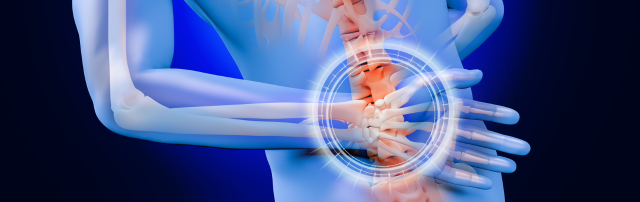
Did you know that your back pain could be related to foot or posture problems? Podiatry plays a key role in the assessment and treatment of these pains, especially when they are caused by asymmetry in the feet, legs or joints. Indeed, walking is a naturally symmetrical process. As soon as this symmetry is compromised, pain can appear not only in the feet and ankles, but also in the knees, hips, and back.

Here are some examples of disorders that can upset this balance and lead to back pain:

  • Difference in length between the legs (leg shorter than the other), often undiagnosed, that affects weight distribution.
  • Asymmetrical arch collapse of the foot, which unbalances posture and gait and creates a functional difference in the length of the legs, i.e. one functions as if one leg were shorter than the other even though both legs are of comparable length.
  • Osteoarthritis of the ankle or big toe, especially in cases of asymmetry, limiting mobility and causing postural compensation. For example, if the big toe joint of only one of the two feet has a lot of osteoarthritis, the normal flow of the step will be compromised, which will affect the symmetry of the gait necessary for its efficiency and comfort.

At Médecine podiatrique du Plateau in Hull, Aylmer, Gatineau, we offer an in-depth gait analysis to identify these postural disorders and asymmetries. In addition, our X-ray of the feet (X-rays) allows us to better understand the condition of the skeleton of your feet, bones and joints and to detect any problems that may be contributing to your current problems or future problems. Once the podiatric diagnosis has been made, we offer tailor-made solutions, such as foot orthotics, injections, surgeries, adapted shoes, exercises, physiotherapy or chiropractic treatments to restore balance and relieve your pain.

If you suffer from back pain but don’t know its origin, consulting a podiatrist in Gatineau can offer you a fresh perspective and concrete solutions. In collaboration with other professionals, including chiropractors whose scope of practice includes spinal alignment assessment, your podiatrist can help you relieve your pain.

Take the first step towards relief. Call 819-800-1212 to schedule your first assessment.


  You have a bump on your toe. Do this bump make your feet sore when you wear shoes? It could be a hallux valgus, commonly known as a foot bunion.

Why do we develop foot bunions?

This condition may be genetic in origin. It can also develop due to our activities, our occupation or the shoes we wear. Thus, you can avoid further aggravation if you undertake changes in your habits and start preventative treatments.

How to treat or relieve a bunion without surgery?

A variety of non-surgical treatments are available at Médecine podiatrique du Plateau. For example, our podiatrists can help you find the shoes best suited to the condition of your feet and the prevention of this problem. Custom-made foot orthotics, which are molded insoles prescribed to alleviate mechanical problems in your feet, are devices often used for bunions of the foot. In addition, your podiatrist may recommend a cortisone infiltration, a digital orthosis or a toe brace.

When to undergo surgery and who to consult?

When non-surgical treatments have been attempted, you have two options for surgery:

  1. Referral to a podiatrist with a postgraduate surgical residency. He or she has the skills to operate on a bunion that hurts and grows. Podiatrist fees are not covered by the Régie de l’assurance maladie du Québec or the Ontario Health Insurance Plan.
  2. Referral to an orthopedic surgeon. The specialist can then suggest surgery to remove the bump and properly realign the deviated bones.

Does the back of your heel hurt when you climb stairs? Do you feel a stiffness, burning or throbbing behind your heel or in your calves? It could be Achilles tendonitis. Achilles tendonitis is a common condition affecting the Achilles tendon, which attaches to the back of the heel. This tendon is an important component of the calf musculature, which plays a crucial role in walking, running and sporting activities. Achilles tendonitis occurs when this tendon is subjected to repeated and excessive loads, which can lead to tendon degradation and inflammation. In addition, this problem can be observed in people who lift heavy loads, such as construction workers, letter carriers and delivery people. Repetitive motion while driving, as in the case of bus or truck drivers, can be a trigger for Achilles tendonitis. Sometimes, poor posture or misalignment of the feet can be the cause.

Symptoms

Symptoms of Achilles tendinopathy include pain and stiffness along the tendon, as well as soreness that may occur during exercise and subside afterwards. In severe cases, pain can make walking and sporting activities difficult or impossible.

Assessment

Your podiatrist will perform a complete clinical examination. A questionnaire will be asked about your physical activities. In addition, your podiatrist will be interested in the type of footwear you are wearing or have worn in the weeks leading up to the development of the problem. The most commonly used medical imaging for Achilles tendon evaluation is ultrasound, which is offered directly at the clinic by your podiatrist. What’s more, at Médecine podiatrique du Plateau, we’re equipped with a computer-assisted gait analysis pressure mat and cameras to obtain a precise assessment of your biomechanics.

Treatment

Treatment of Achilles tendinopathy depends on the severity of symptoms. Options include stretching, modifying or reducing activity, using devices such as ankle braces and splints, and taking anti-inflammatory medication. In severe cases, surgery may be required to repair or replace the damaged tendon. Achilles tendonitis can also affect athletes, developing through overuse or incorrect movement. Our podiatrists can advise you on choosing the right footwear and adopting proper running techniques. They will be able to deal with the problem so that you can get back to your daily activties as quickly as possible. It’s important to take this injury seriously, as it can take a long time to heal if not treated properly.

Numb feet? Does your foot burn, or do your toes feel electric shocks or tingling? It could well be Morton’s neuroma. At Médecine podiatrique du Plateau, we have treatments that work for you!

Morton’s neuroma is a thickening of the nerve. It is located between the 3rd and 4th toes. Compression in narrow shoes such as high heels, ski boots or clip-on cycling shoes may trigger a neuroma. This nerve mass between the toes will cause numbness, burning or electric shocks to your toes.

Faulty biomechanics can also be the cause. Some people suffer from hyperlaxity or hypermobility in their feet. This accentuates the frictional movement of the nerve against the bones of the foot, and can cause the nerve to thicken as a result of irritation.

Diagnostic imaging such as a foot ultrasound enables our podiatrists to visualize the neuroma clearly. An X-ray is used to rule out other causes of pain in the area, such as arthritis or osteoarthritis in a nearby joint. Afterwards, our podiatrists can suggest various treatments, such as cortisone injections or foot orthotics. They’ll also help you choose the right shoes.

Pro tip: opting for wider shoes with a rigid sole reduces nerve compression.


Do you feel a sharp pain in your heel as soon as you put your foot on the ground in the morning or after a prolonged walk? This discomfort, sometimes compared to a stinging sensation or a bruise under the heel, can greatly disrupt your daily activities. These symptoms are often indicative of several common foot conditions. Find out how to precisely identify your condition and access the right solutions at Médecine podiatrique du Plateau, in the heart of the AGORA complex in Gatineau.

Common causes of heel pain

Heel pain can occur for a variety of reasons, often related to lifestyle habits or recent changes in your routine. Understanding these triggering factors allows us to quickly direct the patient to the right diagnosis.

Biomechanical and postural factors

  • Sudden weight gain: Weight gain, whether it’s related to pregnancy, a period of stress, or rapid bulking, puts extra pressure on the feet. This can lead to overloading of the plantar fascia, which causes inflammation and pain.
  • Wearing unsuitable shoes: Flat shoes, unsupportive sandals, or ill-fitting shoes can compromise the natural alignment of the foot. Without proper arch support, the pressure on the heel increases, leading to chronic injuries.
  • Increased physical activity: Transitioning from a sedentary lifestyle to a high-intensity workout, running on hard surfaces, or playing demanding sports like tennis or basketball can quickly overwork the plantar fascia and cause strain injuries.
  • Prolonged standing at work: Occupations that require standing for several hours, such as retail or catering, strain the soft tissues of the foot, increasing the risk of chronic inflammation.
  • Sports injuries: Repeated impacts or false movements, common in sports activities, can cause microcracks or lesions that affect the heel.

These situations put excessive pressure on the plantar fascia or promote bone calcifications. Early attention and habit adjustment can prevent these pains from getting worse.

Pain under the heel: identifying the exact area

The precise location of your pain is a key element in the diagnosis. Pain under the heel has distinct characteristics that point to specific conditions.

Typical area of presentation

  • In the center of the footridge of the heel
  • Under the calcaneus bone (heel bone)
  • Sometimes extended to the arch of the foot

Characteristics of pain under the heel

Patients typically describe:

  • Feeling of “stepping on a nail” or “pebble in the shoe”
  • Maximum pain on the first steps in the morning
  • Gradual improvement after a few minutes of walking
  • Recurrence after prolonged sitting
  • Intensification at the end of the day after standing

Main causes of pain under the heel

Pain under the heel typically results from:

Plantar fasciitis (plantar fasciopathy, plantar fasciopathy)

Inflammation of the plantar fascia, the thick tissue that supports the arch of the foot. It is the most common cause of pain under the heel, affecting about 10% of the adult population during their lifetime.

Heel Spur

Bone calcification in the heel, often associated with chronic plantar fasciitis. Visible on X-rays, it is not always symptomatic in itself.

Foot pad atrophy

Progressive thinning of fatty tissue under the heel, more common after the age of 50. This natural aging phenomenon reduces shock absorption.

Poor foot biomechanics

Excessive pronation, excessive supination (high arches), or flat foot can create an uneven distribution of pressure, overloading certain areas of the heel.

When to worry?

Consult a podiatrist promptly if:

  • Pain persists for more than 2 weeks despite rest
  • Discomfort gradually increases
  • You limp to avoid pressing on the heel
  • Redness or swelling appears
  • Pain wakes you up at night

Dr. Émile Carrier, podiatrist, recommends a complete assessment including X-rays and ultrasound to precisely identify the origin of your pain under the heel.


Back heel pain: a different problem

Unlike pain under the heel, pain in the back of the heel often indicates distinct conditions that require a different therapeutic approach.

Typical area of presentation

  • Posterior part of the heel
  • Above the Achilles tendon insertion
  • On the sides of the hindfoot

Common conditions at the back of the heel

1. Achilles tendonitis

Description: Inflammation of the Achilles tendon, the largest tendon in the human body, connecting the calf muscles to the heel bone.

Characteristic symptoms:

  • Pain along the tendon behind the heel
  • Significant morning stiffness, improving with warm-up
  • Discomfort that increases with physical activity
  • Sometimes visible swelling of the tendon
  • Crackling sensation on palpation

Risk factors: Sudden increase in activity, lack of stretching, unsuitable shoes, change of training surface.

2. Retrocalcaneal bursitis

Description: Inflammation of the bursa located between the Achilles tendon and the calcaneal bone. This small pouch filled with liquid normally acts as a protective pad.

Characteristic symptoms:

  • Deep pain behind the heel
  • Aggravated by the pressure of closed shoes
  • Visible and palpable localized swelling
  • Redness of the skin in cases of acute inflammation
  • Pain when flexion the foot

3. Haglund deformation

Description: Bony growth at the back of the calcaneus, creating a visible prominence. Often called a “pump bump” because it is frequently caused by wearing rigid shoes including skates and downhill ski boots.

Characteristic symptoms:

  • Visible and palpable hump at the back of the heel
  • Painful friction with closed shoes
  • Callus formation on the prominence
  • Recurrent inflammation of the adjacent bursa

Warning signs requiring prompt consultation

  • Inability to stand on tiptoe
  • Severe nocturnal pain
  • Change in skin colour (significant redness)
  • Marked local warmth
  • Significant claudication

Key Differences: Pain Under vs Back of the Heel

moment

fascia

imagery

Ultrasound

processing

Criterion Pain UNDER the heel BACK heel pain
Most painful First steps in the morning During and after the activity
Structure involved Plantar Achilles tendon/bursa
Main X-ray + Foot Tendon ultrasound (MRI if needed)
Priority Foot orthotics + stretching Stretching + shoe modifications
Improvement with walking Yes, often Variable, sometimes worsening

A comprehensive biomechanical evaluation at our clinic makes it possible to precisely differentiate these conditions and adapt the treatment accordingly.

Heel spurs or plantar fasciitis: what are the differences?

The heel spur

What is it?

The heel spur is a bony calcification that develops in the heel, usually under the calcaneal bone. It forms as a result of repeated microtrauma or excessive pressure on this sensitive area, often caused by prolonged posture, overweight or intense physical exertion.

This bone growth can remain painless in some cases, but becomes problematic when combined with inflammation of the surrounding tissues, such as the plantar fascia. About 50% of people with a heel spur visible on an x-ray do not feel any pain.

Symptoms

The main sign of heel spurs is calcification visible on x-ray. When there is no associated pain, treatment is usually not necessary. In the presence of localized and acute pain in the heel, particularly felt after a prolonged period of rest, such as when waking up or after sitting for a long time, it is called associated plantar fasciitis.

This pain is often described as a stinging or burning sensation, which gradually subsides as the day progresses with activity.

Diagnosis

An accurate diagnosis requires an X-ray, which allows the bone growth to be directly visualized. This examination is rapid, non-invasive and performed on site at Médecine podiatrique du Plateau, allowing for a clear and immediate evaluation.

In-clinic treatment

Depending on the severity and associated symptoms, treatments such as custom-made foot orthotics, cortisone injections or shoe modifications are offered to reduce discomfort. The results vary according to the condition of each person and compliance with the treatment plan.

Plantar fasciitis

What is it?

Plantar fasciitis is an inflammation of the plantar fascia, a thick, fibrous tissue that extends from the heel to the base of the toes. This tissue plays a key role in supporting the arch of the foot and absorbing shock when walking or running.

When subjected to excessive tension or repeated microtrauma, it becomes inflamed, causing sometimes debilitating pain under the foot. Plantar fasciitis accounts for more than 15% of all podiatric consultations.

Symptoms

People with plantar fasciitis usually experience sharp, throbbing pain underfoot, often concentrated near the heel. This pain is particularly intense when you get up, after a night’s rest and tends to subside with activity before reappearing after a prolonged day or physical exertion.

In some cases, it can be diffuse, extending to the entire arch of the foot. Patients often describe the “first steps in the morning” as the most difficult.

Diagnosis

The diagnosis is based on a musculoskeletal ultrasound, which visualizes inflammation and assesses the thickness of the plantar fascia. A normal fascia is about 3-4 mm thick; in case of fasciitis, it can exceed 5-6 mm.

This rapid and non-invasive examination is carried out directly on site at Médecine podiatrique du Plateau, allowing a precise and personalized diagnosis during your first visit.

In-clinic treatment

Solutions include specific stretching exercises, tapings to support the fascia, custom-made foot orthotics, targeted injections, physical therapies such as Class IV therapeutic laser, and shoe adjustments to limit tension. A gradual treatment plan usually allows for an improvement in discomfort over 6 to 12 weeks. Results vary depending on initial severity and adherence to the protocol.

Bursitis of the heel and inflammation of the bursa
Heel bursitis: inflammation of the bursae under and behind the heel


Heel bursitis: the little-known inflammation

Bursitis is an inflammation of the bursa, small fluid-filled sacs that act as cushions between bones, tendons and muscles. Although often confused with plantar fasciitis, it requires a distinct therapeutic approach.

Types of Heel Bursitis

1. Retrocalcaneal bursitis (back of the heel)

Location: Located between the Achilles tendon and the calcaneus bone

Main causes:

  • Repeated pressure from rigid shoes (high heels, new running shoes)
  • Excessive friction during sports activities
  • Underlying Haglund deformation
  • Sudden increase in training volume

Population at risk: Common in long-distance runners, active walkers, and people who regularly wear high heels.

2. Subcalcaneal bursitis (under the heel)

Location: Inflammation under the heel bone

Main causes:

  • Natural fat tissue atrophy (more common after age 40)
  • Direct trauma (fall on heels, jump from a height)
  • Prolonged standing on hard surfaces
  • Wearing shoes with soles that are too thin

Key distinction: Often confused with plantar fasciitis, but the pain is more diffuse and less concentrated on the inner edge of the heel.

Distinctive symptoms of bursitis

  • Localized and deep pain (vs. “band” pain of fasciitis)
  • Visible swelling at the site of inflammation
  • “deflated cushion” feeling under the heel
  • Pain on direct pressure (thumb test)
  • Constant discomfort, not just at the first steps
  • Local heat in case of acute inflammation

Triggers and aggravating factors

  • Poorly fitting shoes (too tight at the back, stiff heel counter)
  • Sudden increase in physical activity without gradual adaptation
  • Direct trauma (blow, fall, accident)
  • Underlying inflammatory arthritis (rheumatoid arthritis, spondyloarthritis)
  • Obesity or rapid weight gain

Diagnosis at our clinic

Targeted musculoskeletal ultrasound is the reference diagnostic tool. It allows you to:

  • Visualize the inflammation of the bursa
  • Measure tissue thickening (normal < bursa 2mm)
  • Distinguish bursitis and plantar fasciitis accurately
  • Detect any calcifications or bone growths
  • Assess the condition of the adjacent Achilles tendon

Our podiatrists have advanced training in musculoskeletal ultrasound, allowing for an accurate diagnosis during your visit.

Treatment Options

Conservative approaches (frontline)

  • Shoe modifications: Soft heel counter, heel cushion, avoid rigid surfaces
  • Orthotics with heel cushion: Pressure redistribution, improved shock absorption
  • Icing protocol: 15 minutes, 3-4 times a day during the acute phase
  • Relative rest: Temporary Reduction in Aggravating Activities

Advanced therapies

  • Class IV Therapeutic Laser: Reduction of inflammation, stimulation of cellular healingat
  • Radial shockwave treatment:
  • Therapeutic taping: Immediate discharge of the painful area
  • Specific stretching protocol: Achilles tendon and plantar fascia
  • Targeted cortisone or hyaluronic acid injections: Reserved for severe cases that do not respond to conservative treatments

Prognosis and recovery times

Most patients report a gradual improvement in discomfort over 4 to 8 weeks with an appropriate treatment plan. The results vary according to:

  • The initial severity of the inflammation
  • The presence of underlying conditions
  • Compliance with the treatment protocol
  • Lifestyle adjustments (shoes, activities)

Chronic bursitis (> 6 months) may require more prolonged treatment and a multidisciplinary approach.

Podiatric consultation and diagnosis with ultrasound
Complete evaluation with musculoskeletal ultrasound at Médecine podiatrique du Plateau

Why consult a podiatrist for your heel pain?

Many people try to endure their heel pain or treat themselves with home remedies for months. An early podiatric consultation significantly changes the prognosis and accelerates the return to your activities.

Accurate medical diagnosis

Unlike generic online advice, our podiatrists:

  • Assess your complete biomechanics (gait analysis, posture, balance)
  • Identify the exact cause via medical imaging (X-ray, ultrasound)
  • Differentiate between multiple possible conditions (fasciitis, bursitis, stress fracture, neuroma)
  • Detect contributing factors (muscle imbalance, poor posture, systemic pathologies)
  • Establish an evidence-based treatment plan

The right treatment, fast

Avoiding aggravation

Untreated plantar fasciitis can:

  • Becoming chronic (recovery time multiplied by 3 to 4)
  • Cause compensatory pain (knee, hip, lumbar region)
  • Developing partial fascia tears
  • Lead to progressive atrophy of the foot pad
  • Creating difficult-to-treat calcifications

Access to advanced technologies

At Médecine podiatrique du Plateau, in the heart of the AGORA complex in Gatineau:

  • Digital X-ray on site: Immediate results, reduced exposure
  • Targeted musculoskeletal ultrasound: Real-time visualization of soft tissues
  • Class IV therapeutic laser: Health Canada licensed, clinically validated protocols
  • Shockwave therapy : regenerative treatment that is particularly useful for long-standing pain.
  • 3D Digital Impressions: Optimal precision for custom orthotics
  • Computerized biomechanical analysis: Objective evaluation of your approach

When to consult: the practical guide

🔴 Consult within 48-72 hours if:

  • Sudden and severe pain after identifiable trauma
  • Inability to put weight on the heel
  • Severe swelling with marked redness and warmth
  • Night pain that wakes you up regularly
  • Visible deformity of the foot or heel

We accept minor emergencies and can usually see you the same day or the next day.

🟡 Consult within 1-2 weeks if:

  • Persistent morning pain for more than 7 days
  • Discomfort that makes you limp or change your gait
  • Progressive limitation in your daily activities
  • Ineffective self-treatment after 10-14 days
  • Pain that intensifies despite rest

🟢 Make an appointment for evaluation if:

  • Intermittent pain for several months
  • Recurrence of pain despite previous treatments
  • Concern about a podiatric condition
  • Desire for prevention (preventive biomechanical assessment)
  • Planning of intense sports activities

What happens on your first visit

Your initial consultation at Médecine podiatrique du Plateau takes place in four structured steps:

1. Complete history (approximately 10 minutes)

  • In-depth discussion of your symptoms and medical history
  • Identification of triggers and aggravating factors
  • Assessing your activity level and goals
  • Review of your usual shoes

2. Biomechanical examination (approximately 15 minutes)

  • Analysis of your static and dynamic posture
  • Flexibility and muscle strength tests
  • Joint Range of Motion Assessment
  • Precise palpation of painful areas
  • Observation of your gait (gait analysis)

3. Imaging if necessary

  • X-ray for heel spurs, fracture or osteoarthritis
  • Ultrasound for fasciitis, bursitis, or tendonitis
  • Immediate Outcomes and Interpretation
  • Note that an ultrasound examination requires an extended period of time and will often be performed during a separate visit.

4. Personalized treatment plan (10 minutes)

  • Clear explanation of diagnosis in accessible terms
  • Treatment options tailored to your situation
  • Realistic goals and recovery timelines
  • Provision of written documentation
  • Answers to all your questions

What a podiatrist can do

As health professionals, our podiatrists have distinct skills:

  • Medical prescriptions: Foot orthotics, topical medications, medical imaging, laboratory tests
  • Specialized interventions: Therapeutic injections, physical therapies such as manual therapy, therapeutic laser and radial shock waves, minor foot surgeries
  • Therapeutic adjustments: Modification of orthotics, adaptation of protocols according to evolution
  • Differential diagnosis: Elimination of systemic, neurological or vascular causes
  • Interprofessional collaboration: Communicating with your family doctor, physiotherapist or specialist

Invest in your feet, invest in your mobility

Your feet support the equivalent of 120% of your body weight with each step. On an average day of 8,000 steps, this represents more than 1.5 million kg of cumulative pressure. Ignoring heel pain is compromising your future independence and quality of life.

Important fact: Heel pain treated early (< 6 weeks) usually resolves within 6 to 12 weeks. If left untreated, they can persist for months or even years and require more invasive interventions. The results vary according to the condition of each person.

3 treatments to try at home while waiting for your consultation

While waiting to see a podiatrist to evaluate your heel pain, a few simple things you can do at home can provide real relief. These methods help reduce inflammation, relax the tissues underfoot, and temporarily ease discomfort.

1. Apply ice

Ice is a great way to calm inflammation and reduce pain.

Method: Take a bottle of ice water, put it under your foot and roll it gently for 10 minutes, three times a day. This movement not only soothes the pain, but also massages the plantar fascia, reducing the accumulated tension.

Important: Never apply ice directly to the skin. Use a thin towel if necessary.

2. Wear suitable shoes

Absolutely avoid walking barefoot or in flat shoes that offer no support.

Characteristics of a good shoe:

  • Built-in arch support
  • Slightly raised heel (1.5 to 2.5 cm)
  • Stiff sole that doesn’t bend easily in the middle
  • Firm rear heel counter for stability
  • Sufficient toe room

Avoid: Flat sandals, flip-flops, “minimalist” type shoes, slippers without support.

Crucial Tip: You should wear these shoes from the moment you get out of bed, even for a few steps.

3. Use a tennis ball

To relax the plantar fascia and reduce pain, gently roll a tennis ball under your foot for 3-5 minutes, 2-3 times a day.

Technique: Sitting comfortably, apply moderate pressure by rolling the ball from the heel to the toes. Focus on sensitive areas without overly exercising.

Benefits: This exercise helps improve blood circulation, reduce muscle tension, and stimulate sore tissue.

Important note: These simple treatments, combined with adapted habits, can improve your comfort temporarily, but are not a substitute for a professional evaluation. If the pain persists for more than 2 weeks or worsens, a consultation is necessary to identify the exact cause and receive appropriate treatment.

Why choose Médecine podiatrique du Plateau?

When you suffer from heel pain, an accurate diagnosis and the right treatments make all the difference. At Médecine podiatrique du Plateau, we provide you with an experienced team and modern equipment to offer you personalized and effective care.

A team of experienced podiatrists

Our clinic brings together three podiatrists with complementary skills:

  • Dr. Émile Carrier, podiatrist: licensed in Quebec and Ontario, training in musculoskeletal ultrasound, involved in university research on the implementation of local foot health services in Quebec, co-owner
  • Dr. Sandra Gendron, podiatrist: Training in New York, integrative approach, co-owner
  • Dr. Stephen Davis, podiatrist: 15 years of experience, practices in Quebec and Ontario, experience in manual therapy and in a podiatric clinic for foot surgery

Fast and accurate diagnosis

With our advanced tools such as X-ray and on-site ultrasound, we quickly identify the origin of your pain, whether it’s plantar fasciitis, heel spurs, bursitis, or another problem. This precise diagnosis allows you to set up a treatment plan that is perfectly adapted to your situation.

Tailor-made treatments to reduce your pain

Custom Foot Orthotics

Designed specifically for your feet via 3D digital imprints, they provide optimal support, reduce pressure on the heel and correct biomechanical imbalances. Manufacturing time: about 3 weeks.

Class IV Therapeutic Laser

This treatment helps to progress the injury through the healing stages more quickly by stimulating the supply of oxygen and increasing the speed of chemical reactions in the cells. Health Canada Licensed.

Radial shockwave

This treatment consists of applying high-intensity acoustic waves to the painful area of the foot. These waves stimulate blood circulation, promote tissue regeneration, and trigger a natural healing response.

Therapeutic exercises

Our podiatrists teach you simple and effective movements to strengthen the foot muscles, stretch the plantar fascia and reduce inflammation. Personalized program according to your requirement.

Bandages and tapings

These techniques limit tension on the plantar fascia and promote healing while immediately reducing discomfort. Immediate effect often felt upon application.

Cortisone injections

In case of severe inflammation that does not respond to conservative treatments, our podiatrists can administer targeted injections to quickly reduce pain and inflammation. Procedure generally well tolerated.

Hyaluronic acid injections

One of our podiatrists can inject a biocompatible hyaluronic acid adapted for soft tissues to not only relieve pain, but above all restore the function of injured tendons and ligaments. Although more expensive than the cortisone injection due to the cost of the product, this procedure has the advantage of being regenerative compared to cortisone, which attacks the pain more.

Advice on suitable shoes

We help you choose shoes that offer adequate support and minimize the risk of recurrence, taking into account your lifestyle and daily activities. Analysis of your current shoes included.

Human and professional support

At Médecine podiatrique du Plateau, we understand how much heel pain can disrupt your daily life. That’s why our team is committed to offering you personalized follow-up and practical advice to help you regain your comfort and mobility.

Our Location: In the Heart of Gatineau

Located at 20 Allée de Hambourg, Entrance A, 2nd floor, in the AGORA urban village in Gatineau, we are easily accessible for residents of Gatineau, Hull, Aylmer and Ottawa. Free parking available (3 hours, outdoor parking P1).

Book an appointment today

Don’t let heel pain limit your activities. Our podiatrists are ready to welcome you for a complete evaluation and a personalized treatment plan.

Phone: 819-800-1212
Website: podiatreplateau.com

Make an appointment

Treatment outcomes vary depending on each person’s state of health. This content is informational and is not a substitute for professional advice. A care plan is drawn up after a complete assessment.
NULL