

Introduction to Plantar Fasciitis
Plantar fasciitis is one of the most common causes of heel pain. This problem results from inflammation of the plantar fascia, a thick ligament that connects the heel to the toes. It often affects active people, athletes or those who spend long hours on their feet. Symptoms include sharp heel pain, especially felt during the first steps in the morning or after a period of rest. In Gatineau, many patients consult for this pathology and effective treatments such as plantar fasciitis shock waves are now offered at Médecine podiatrique du Plateau.
Causes and Risk Factors of Plantar Fasciitis
There are several factors that can cause or worsen plantar fasciitis. Poor foot biomechanics, such as a flat or very arched foot, can cause excessive strain on the plantar fascia. Being overweight, running on hard surfaces or wearing inadequate shoes are also common causes. Professions that require standing for long hours (teachers, waiters, etc.) are particularly at risk. Finally, age also plays a role: plantar fasciitis often affects people between the ages of 40 and 60.
It is essential to treat symptoms quickly to prevent them from becoming chronic. Fortunately, podiatrists Dr. Sandra Gendron, Dr. Émile Carrier, and Dr. Stephen Davis offer modern and effective approaches to relieve this condition.
Traditional Treatments for Plantar Fasciitis
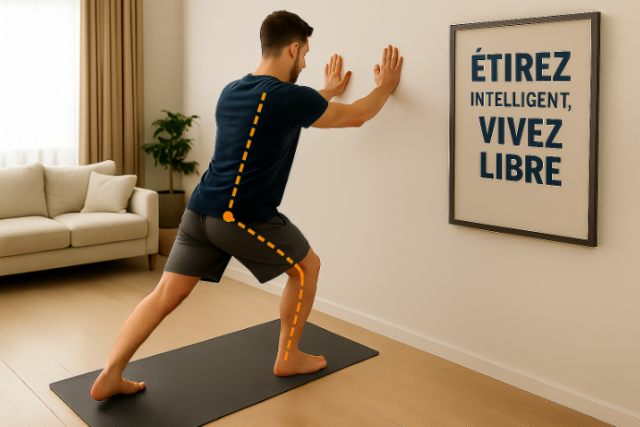
Before resorting to technological treatments, several conservative approaches are often proposed.
Specific stretches of the plantar fascia and Achilles tendon are essential to reduce tension. Applying ice after an activity or at the end of the day can help relieve inflammation. Wearing custom-made foot orthotics is a solution frequently recommended by podiatrists, because they compensate for the faulty biomechanics of the foot and reduce the strain on the plantar structures. Nonsteroidal anti-inflammatory drugs (such as ibuprofen) can also be used to reduce pain in the short term. Our podiatrists also use cortisone or hyaluronic acid injections for plantar heel pain. In some cases, temporary rest or modification of physical activities is necessary to allow for better healing.
However, when these methods are not enough to relieve symptoms in a lasting way, podiatrists may recommend more advanced treatments, such as shockwave therapy, which is gaining popularity in Gatineau.
Shockwave treatment: a modern solution
Shockwave therapy, also known as shockwave therapy, is an innovative and non-invasive solution used to treat plantar fasciitis resistant to traditional approaches. This treatment consists of applying high-intensity acoustic waves to the painful area of the foot. These waves stimulate blood circulation, promote tissue regeneration, and trigger a natural healing response.
There are two main types of shock waves: radial waves (more diffuse) and focal waves (deeper and more precise) and their use depends on the type and severity of the fasciitis. This method is particularly appreciated for its ability to reduce pain and speed up recovery, without the need for surgery or long-term medication.
Dr. Gendron, Dr. Carrier and Dr. Davis, podiatrists, use it successfully in their practice in Gatineau.
The evidence from scientific studies is strong. A 2023 systematic review and meta-analysis concludes that “high-quality evidence suggests that extracorporeal shockwave therapy (ESWT) has a significant effect on pain and function in the case of plantar fasciitis.” (1)

How does a shockwave session work?
A shockwave treatment session is usually quick, simple, and well-tolerated. It all starts with a podiatric evaluation to precisely locate the painful area of the plantar fascia. The podiatrist then applies a conductive gel to the skin to facilitate the transmission of the waves.
Using a specialized applicator, the shock waves are transmitted directly to the affected area. The treatment lasts on average between 5 and 15 minutes per session. Although some people experience mild discomfort to moderate pain during application, most tolerate the treatment very well, without local anesthesia.
After the session, it is possible to resume normal activities, although some rest is recommended to optimize recovery. In general, a series of 3 to 6 sessions is necessary to see a significant improvement.
At Médecine podiatrique du Plateau in Gatineau, podiatrists Dr. Sandra Gendron, Dr. Émile Carrier and Dr. Stephen Davis provide personalized follow-up at every stage.
Effectiveness and benefits of shockwave treatment
Numerous clinical studies demonstrate the effectiveness of shockwave treatment in relieving pain related to chronic plantar fasciitis. By stimulating the natural healing of tissues, this treatment can reduce inflammation, decrease pain, and gradually restore foot function. Treated patients often report a noticeable improvement after only a few sessions, with a marked reduction in heel pain, especially in the morning upon waking.
One of the great advantages of this treatment is that it avoids the need for invasive procedures such as surgery. There are no major side effects or significant downtime, making it a safe and effective option for active patients. Podiatrists Sandra Gendron, Émile Carrier and Stephen Davis are successfully using this advanced technology in Gatineau to help their patients return to a pain-free lifestyle.
Why choose Médecine podiatrique du Plateau in Gatineau for shock waves?
In Gatineau, Médecine podiatrique du Plateau is a reference clinic for the treatment of plantar fasciitis, thanks in particular to the experience of its team composed of Dr. Sandra Gendron, Dr. Émile Carrier and Dr. Stephen Davis, podiatrists.
These experienced professionals offer a personalized approach based on the most recent advances in podiatric medicine. Thanks to their extensive training and the clinic’s state-of-the-art equipment, patients benefit from efficient, safe and needs-centred care. Whether it’s for recent or persistent pain, the team does everything possible to help you regain your comfort.
Frequently asked questions
Q : Are shock waves effective?
A : Evidence shows that shockwave therapy is highly effective.
Q : What are the negative effects of shockwave therapy?
A : Side effects of shockwave treatments are rare and usually mild and temporary, including transient pain, redness, swelling, stinging or bruising.
Q : What are the benefits of shock waves?
A : Because it is a regenerative treatment, it heals the problem and not just alleviates symptoms such as pain.
Q : How much does a shockwave session cost?
A : The cost depends on the number of sites to be treated. Excluding the assessment consultation, the usual cost is $110 to $140 per session, plus applicable fees if other treatments are done during the same visit such as laser treatment or taping.
Conclusion
Plantar fasciitis should not slow down your daily life. Shockwave treatment, offered at Médecine podiatrique du Plateau by podiatrists Dr. Gendron, Carrier and Dr. Davis, is a proven solution.
Book an appointment today to get back to a healthy foot and a pain-free life.
Fill out the contact form to request an appointment or call us at 819 800-1212.
